
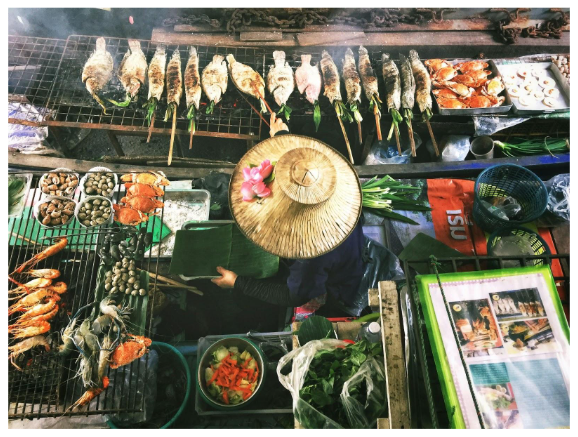
Food: The Safest and the Richest Adventure You’ll Have
- Posted: Feb 11, 2026
Travel often conjures images of towering mountains, roaring rapids, or heart-pounding activities that test endurance and courage.
For many, these adventures are thrilling but intimidating. There is, however, an alternative form of exploration that requires no climbing gear or life jackets, one that is as enriching as it is accessible: food.
Culinary exploration allows travelers to engage deeply with a destination’s culture through taste, aroma, and technique.
Eating local dishes is only the beginning. Observing and participating in food preparation transforms an ordinary meal into a learning experience.
From the careful layering of a Francesinha sandwich in Portugal to the golden crisp of a Monte Cristo in the U.S., the way food is made tells stories of history, local ingredients, and family traditions.
Even universally recognized dishes, like pizza and pasta, become eye-opening when experienced in their places of origin, revealing nuances in technique, flavor, and cultural significance.
Food-focused adventure allows travelers to engage with culture safely, while still satisfying curiosity and the desire for new experiences.
Unlike extreme terrains, the risks are minimal, yet the rewards are profound: sensory engagement, personal connection, and cultural insight.
This article explores how culinary journeys, through tasting, observing, and even preparing food, can offer an adventure that is simultaneously safe, immersive, and meaningful.
Food as a Window to Culture
Food provides an intimate lens into the everyday life of a community. Local dishes reflect history, resources, and social habits in ways that sightseeing alone cannot.
Consider Italian pizza: while familiar globally, its preparation in Naples tells a story of centuries-old traditions, regional ingredients, and artisanal craft.
Similarly, Portugal’s Francesinha sandwich layers history, technique, and local flavor into a single plate, while the Monte Cristo in the U.S. showcases culinary adaptation and storytelling through food.
The Philippines offers another vivid example. Traditional dishes such as adobo, lechon, and kakanin communicate family values, regional diversity, and communal rituals.
Eating these dishes, especially when prepared by locals, immerses travelers in cultural rhythms that cannot be replicated elsewhere. Gastronomy, according to research, motivates travel and facilitates cross-cultural understanding.
Just as travelers explore Filipino culture through iconic dishes, they can engage with local customs virtually, too, through platforms like GameZone PH, which connect communities and provide an interactive way to share cultural touchpoints.
Culinary exploration, therefore, becomes a form of adventure that is approachable, educational, and culturally enriching, welcoming participants of all ages and fitness levels.
Preparation and Ritual as Adventure
Food preparation itself is a form of cultural immersion. Observing or participating in cooking processes allows travelers to uncover stories behind ingredients and techniques.
These rituals are immersive experiences that go beyond passive tasting. Markets, artisan workshops, and cooking classes offer travelers the chance to see local culture in motion, from ingredient sourcing to final presentation.
Each step communicates history, regional pride, and community values.
The adventure of preparation is accessible and safe. Unlike climbing mountains or diving into rapids, it requires curiosity rather than physical risk.
Yet, it delivers a thrill of discovery, a sense of accomplishment, and the unique satisfaction of understanding how a dish embodies its culture.
Culinary preparation, therefore, transforms travel into an interactive, multi-sensory adventure that anyone can enjoy.
Balancing Adventure with Realism
While food-focused travel is generally safe, it is not entirely risk-free. Travelers may encounter hygiene concerns, food allergies, or unfamiliar ingredients. Being aware of these challenges ensures a responsible and enjoyable culinary adventure.
Compared with extreme sports or adrenaline-driven experiences, culinary exploration prioritizes intellectual and sensory engagement over physical risk.
Travelers gain knowledge about ingredients, techniques, and cultural narratives, often engaging directly with locals in a meaningful way.
Research indicates that while thrill-seekers continue to pursue high-adrenaline travel, food-focused experiences attract a broader audience due to their accessibility and immersive potential.
Moreover, engaging with food ethically and responsibly benefits local communities.
Participating in local markets, supporting small producers, and respecting traditional cooking practices ensures that culinary exploration contributes positively to cultural preservation.
This approach demonstrates that adventure does not always require danger; sometimes, it is a thoughtful engagement with culture, history, and community.
The Real Adventure
Food and its preparation offer a rich form of adventure: safe, immersive, and culturally enlightening.
Exploring a city through its cuisine, observing a dish’s preparation, and participating in culinary rituals creates a meaningful connection with the people, history, and traditions behind the flavors.
Examples like the Monte Cristo, Francesinha, Italian pizza, and Filipino classics such as adobo and lechon illustrate how food embodies a place’s culture and identity.
Culinary exploration encourages curiosity, storytelling, and personal discovery, providing a travel experience that is both rewarding and accessible.
Ultimately, adventure is not confined to cliffs, rapids, or extreme terrains. By embracing the thrill of tasting, observing, and learning, travelers can discover a world of cultural richness and human connection, one plate at a time.
FAQ
Q: What makes food-focused travel an adventure?
A: Food engages the senses, reveals cultural narratives, and offers participatory experiences that create discovery without physical risk.
Q: Can culinary exploration replace thrill-seeking activities?
A: For many travelers, yes. While extreme adventures appeal to adrenaline seekers, food-focused exploration provides cultural, emotional, and sensory rewards accessible to a wider audience.
Q: How does observing preparation enhance cultural understanding?
A: Preparation showcases tradition, local ingredients, and cooking techniques, giving travelers insight into daily life, regional history, and community values.
Q: Are there risks involved in food tourism?
A: Minor risks include hygiene issues, unfamiliar ingredients, and allergies. Awareness and precautions ensure safe and enjoyable experiences.
Q: How can travelers participate responsibly and safely?
A: Respect local customs, support small producers, follow hygiene guidelines, and engage thoughtfully with cooking practices and communal rituals.
Join Lucid Travel's Newsletter
Join Lucid Travel's Newsletter
Get access to exclusive deals, our monthly $100 gift card giveaway, and our monthly Travel Guide.
$100 Gift Card Giveaway
Every month, we give out a $100 Lucid Travel Gift Card. To be eligible, you either need to have a Lucid account or have a booking with us in the past month.
Monthly Travel Guide
Built for university clubs & teams that want access to exclusive discounts, approvals, customizations, tracking, and better student safety/compliance.
Innovation & Lucid News
Set up team room blocks in less time. See how Lucid's automated system provides room blocks faster and easier than ever before.
